This blog is part of the "Do You Need a Degree to Work Remotely? The Modern Career Path" series
Remote work has reshaped the modern workforce in ways few people expected.
For digital nomads and remote professionals, careers are no longer limited by geography, and increasingly, they’re not limited by traditional educational paths either.
Many successful remote workers have built thriving careers without a traditional college degree. Instead, they rely on portfolios, project experience, certifications, and specialized skills.
At the same time, certain remote professions still rely heavily on formal education.
So the real question isn’t simply whether college matters.
It’s how education fits into the modern remote career path.
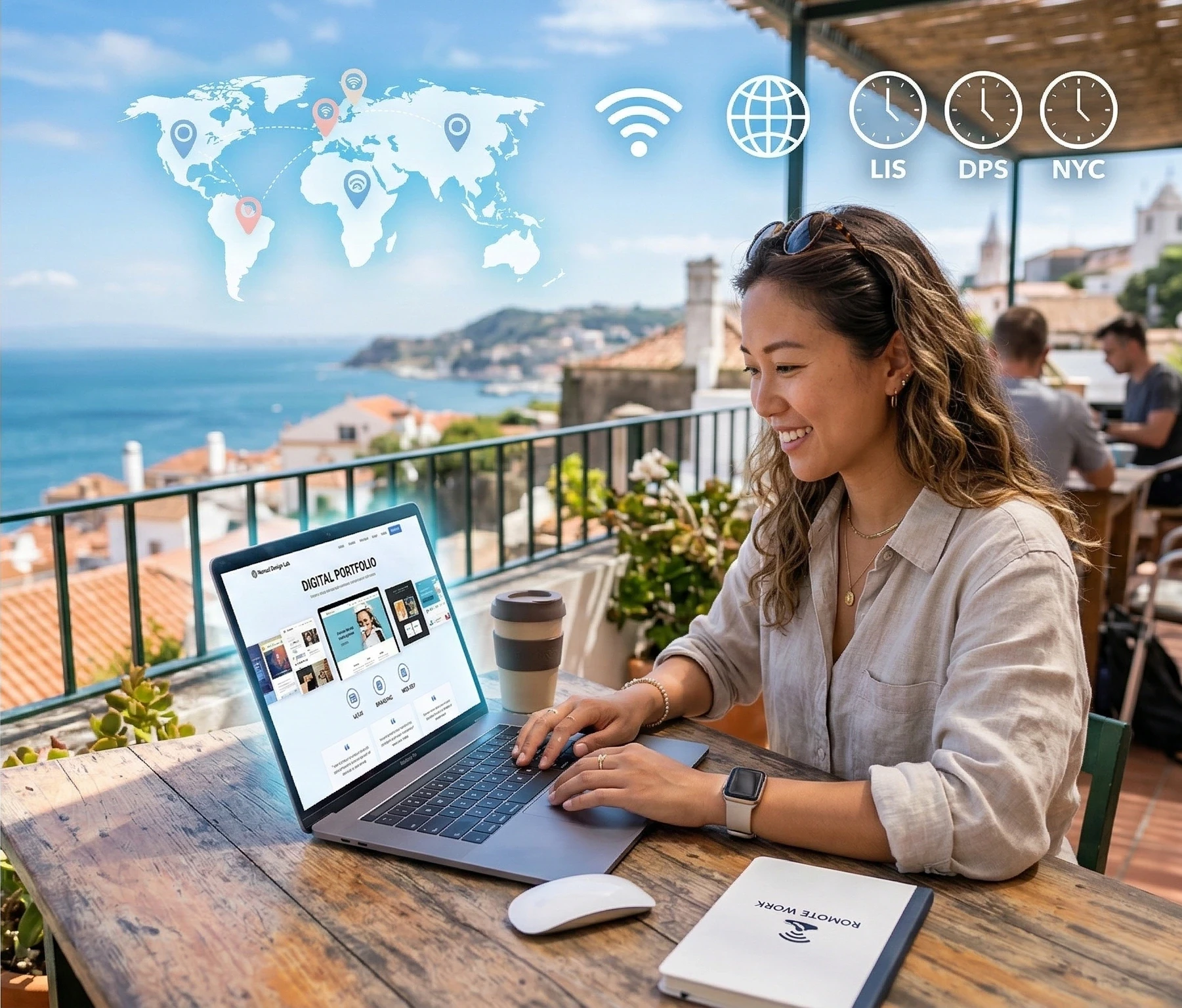
Remote Work Prioritizes Skills Over Credentials
One reason remote work has accelerated skills-based hiring is simple: results matter more than résumés.
Remote teams often hire people they’ve never met in person and may never meet physically. That means employers rely heavily on measurable output.
Instead of focusing on degrees, remote hiring managers often prioritize:
- Demonstrated skills
- Portfolios and project work
- Freelance experience
- Industry certifications
- Communication ability
In many remote industries, what you can do matters far more than where you studied.
Global Talent Has Changed Hiring
Another reason degrees are becoming less central in remote hiring is global competition.
Remote companies frequently hire talent from around the world. This creates a much larger talent pool, and many employers evaluate candidates based on skills, experience, and reliability rather than formal credentials.
For remote professionals, this can be an advantage.
If you can demonstrate value through your work, a degree may not be the deciding factor.
Remote Careers That Still Value Degrees
While many remote roles focus on skills, some fields still rely heavily on formal education.
Examples include:
- Software engineering
- Data science
- Finance and accounting
- Healthcare-related remote roles
- Academic or research positions
In these areas, degrees often provide foundational knowledge and credibility.
However, even in these industries, experience and specialized skills still play a major role in hiring decisions.
Building a Remote Career in Multiple Ways
One of the defining features of remote work is flexibility.
Many remote professionals combine multiple learning paths to build their careers, such as:
- Online certifications
- Freelance work
- Self-taught technical skills
- Bootcamps and workshops
- Traditional university education
The result is a workforce where career paths look very different from person to person.
What We'll Explore Next
In the next article in this series, we’ll explore remote careers you can build without a college degree, including roles that prioritize portfolios, practical skills, and real-world experience.