In the first two weeks of our series on "Career Paths With and Without College", we explored how remote work is changing the way professionals build careers.
In Week 1, we looked at how remote hiring prioritizes skills and results.
In Week 2, we explored remote careers that don’t require a traditional degree.
But not all remote careers are degree-optional.
In this week’s article, we’re breaking down remote careers where a college degree still plays an important role, and why.
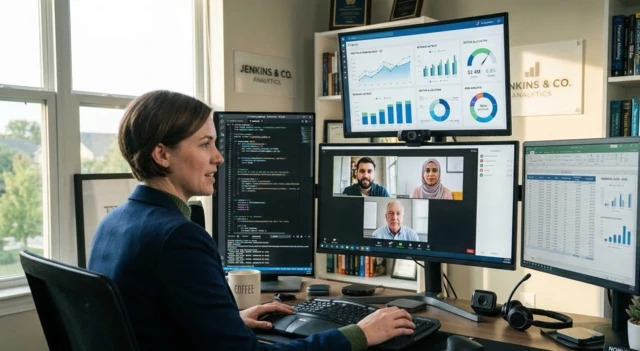
Why Some Remote Roles Still Require Degrees
Even in remote work, some careers rely on structured education.
This is often due to:
- Technical complexity
- Industry regulations
- Credential requirements
- Employer expectations
In these roles, degrees provide foundational knowledge that is difficult to replace with short-term training.
Software Engineering and Advanced Tech Roles
While some entry-level tech roles are accessible without degrees, many advanced positions still prefer or require formal education.
Software engineering, data science, and machine learning roles often involve complex systems that benefit from structured academic training.
Finance and Accounting
Remote roles in finance, accounting, and auditing often require degrees due to regulatory standards and industry expectations.
Certifications can supplement education, but a degree is often the baseline requirement.
Healthcare and Telehealth
Remote healthcare roles, including telehealth services, still require licensed professionals.
These roles depend on formal education, certifications, and compliance with healthcare regulations.
Education and Instruction
Remote teaching, instructional design, and academic roles often require degrees, especially in formal education settings.
Credentials help establish credibility and meet institutional standards.
The Role of Degrees in Remote Work
Even in a skills-driven remote economy, degrees can provide:
- Credibility
- Foundational knowledge
- Career mobility
- Access to higher-level roles
The key is understanding when a degree adds value versus when skills alone are enough.
What We'll Explore Next
In the final article of this series, we’ll explore how to design a remote career path, whether you choose a degree, certifications, or a combination of both.